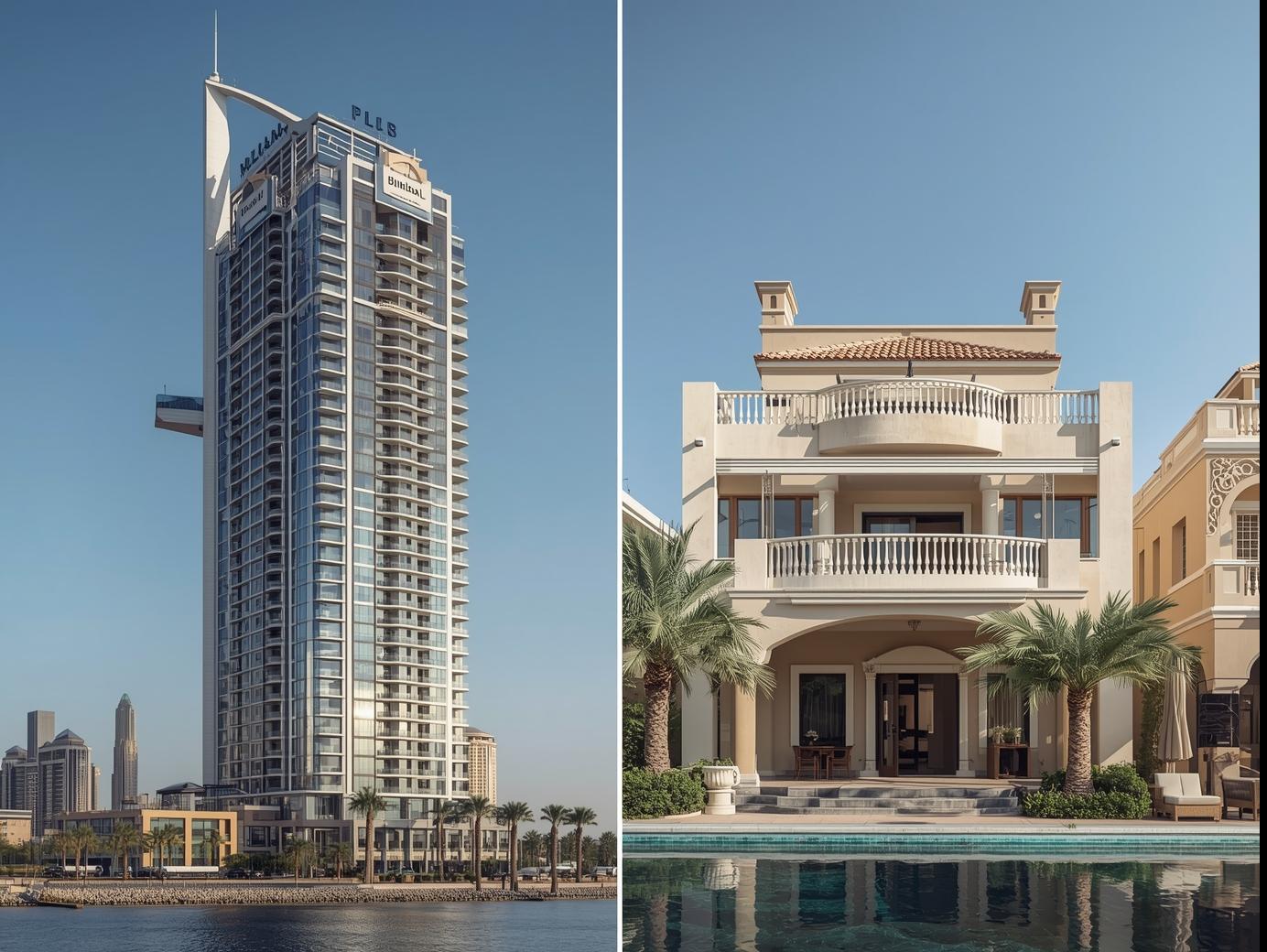
The UAE has long been one of the most attractive destinations for property investors, thanks to its thriving economy, stable governance, and world-class infrastructure. Among its emirates, Dubai and Abu Dhabi stand out as top choices for real estate investment. But the big question remains: Which city offers a better return on investment (ROI)?
In this blog, we will compare Dubai and Abu Dhabi real estate markets in terms of rental yields, capital appreciation, lifestyle, and investor benefits—helping you make an informed decision.
1. Rental Yields Comparison
-
Dubai: Known for its dynamic property market, Dubai consistently delivers higher rental yields compared to other global cities. Average rental returns range between 6% to 8%, with certain areas like Dubai Marina, Downtown Dubai, and Jumeirah Village Circle offering even higher returns.
-
Abu Dhabi: The capital city offers more stability but slightly lower yields. Average rental returns range between 5% to 6%, with popular communities like Al Reem Island and Saadiyat Island attracting long-term tenants.
👉 Verdict: If rental income is your priority, Dubai takes the lead.
2. Capital Appreciation Potential
-
Dubai: The city’s property prices fluctuate more due to its fast-paced market. However, with upcoming mega-projects like Dubai Creek Harbour, Palm Jebel Ali, and Expo City, investors can expect strong appreciation over the next decade.
-
Abu Dhabi: The market is steadier, offering moderate but consistent price growth. Government-backed developments, such as Yas Island and Saadiyat projects, enhance long-term capital gains.
👉 Verdict: Dubai offers higher growth potential, while Abu Dhabi ensures safer, steady appreciation.
3. Lifestyle and Demand Drivers
-
Dubai: A global hub for tourism, trade, and technology, Dubai attracts expatriates, entrepreneurs, and international investors. The demand for short-term rentals, holiday homes, and luxury apartments keeps the market vibrant.
-
Abu Dhabi: Known for its cultural richness, family-friendly communities, and oil-driven economy, Abu Dhabi attracts long-term residents and families who prefer stability and larger living spaces.
👉 Verdict: Dubai suits short-term investors and holiday-home buyers, while Abu Dhabi fits long-term family-oriented investors.
4. Investor Benefits and Regulations
-
Dubai: Offers flexible visa options for property investors, including the 10-year Golden Visa for qualifying purchases. Freehold ownership is widespread, making it easy for foreigners to invest.
-
Abu Dhabi: Introduced freehold ownership in designated zones, offering security for foreign investors. It also provides long-term residency visas for qualifying property investments.
👉 Verdict: Both cities are investor-friendly, but Dubai provides more diverse options and easier entry.
5. Which is Better for ROI?
-
Choose Dubai if you want higher rental yields, strong capital appreciation, and a vibrant, fast-moving market.
-
Choose Abu Dhabi if you prefer long-term stability, consistent growth, and family-oriented communities.
Final Thoughts
When comparing Dubai vs. Abu Dhabi real estate, both markets present lucrative opportunities depending on your investment goals. Dubai shines with higher ROI potential and global investor appeal, while Abu Dhabi offers stability and long-term security.
If you’re looking to maximize rental yields and appreciation, Dubai is the clear winner. But if your priority is stable, family-friendly growth, Abu Dhabi may be the better choice.
✅ Looking to explore real estate investment opportunities in Dubai or Abu Dhabi? Visit ZamelectProperties.com to discover premium property options tailored to your investment goals.